

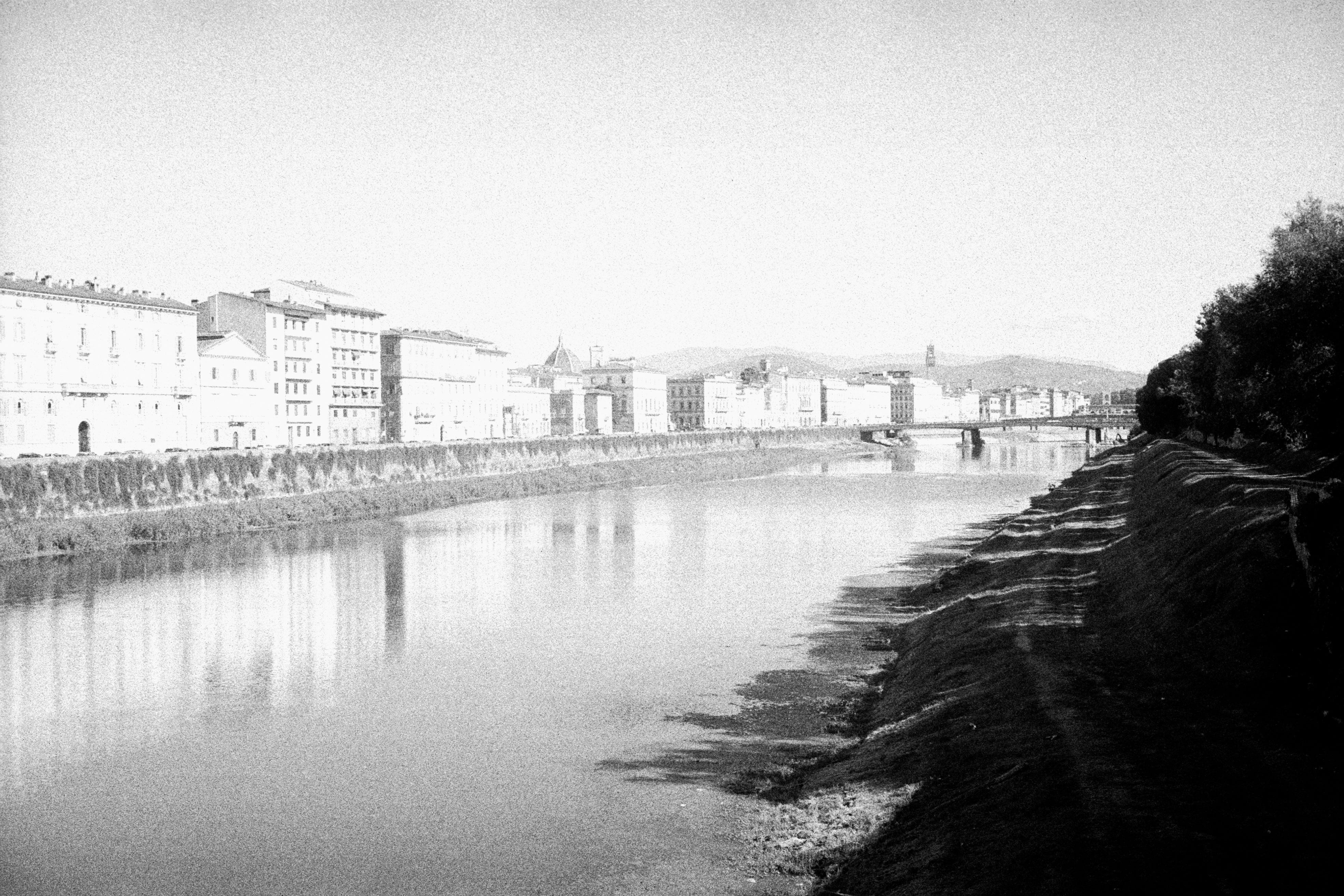
In the early 2000s I came to stay in Firenze for two months to study Italian, photography, and a bit of sculpture. It was a magical moment in my life. I felt such deep inspiration that when I closed my eyes, I could sense something inside me changing, waking up.
I was travelling with my friend Zhenya, and once we decided to go to Viareggio, to the sea shore. We wanted to limit our spending, so we took only a small amount of cash and left our bank cards at home. On the way, though, Zhenya insisted on buying a very expensive swimsuit, and after that our finances were barely enough to reach Viareggio.
Upon arrival, we went to a liquor store, and according to my calculations, we had just enough for a bottle of brandy and the return tickets. However, my calculations were wrong: after buying the brandy, we were quite a few euros short for the trip back. We tried offering our services as dishwashers in the station bar, but they didn’t want to deal with illegal workers, since our visas didn’t allow us to work. Then we noticed a shady, retro-looking gambling machine.
Zhenya remembered that his father had given him a piece of paper with a prayer. With our hearts filled with the most sincere aspiration, we read the prayer aloud on the station and went to the machine. I put our remaining coins in and pressed all the buttons without looking. Within seconds, the machine started flashing and beeping, and coins began to drop into the tray — the exact amount we needed to get back to Firenze. We were out of our minds with happiness…
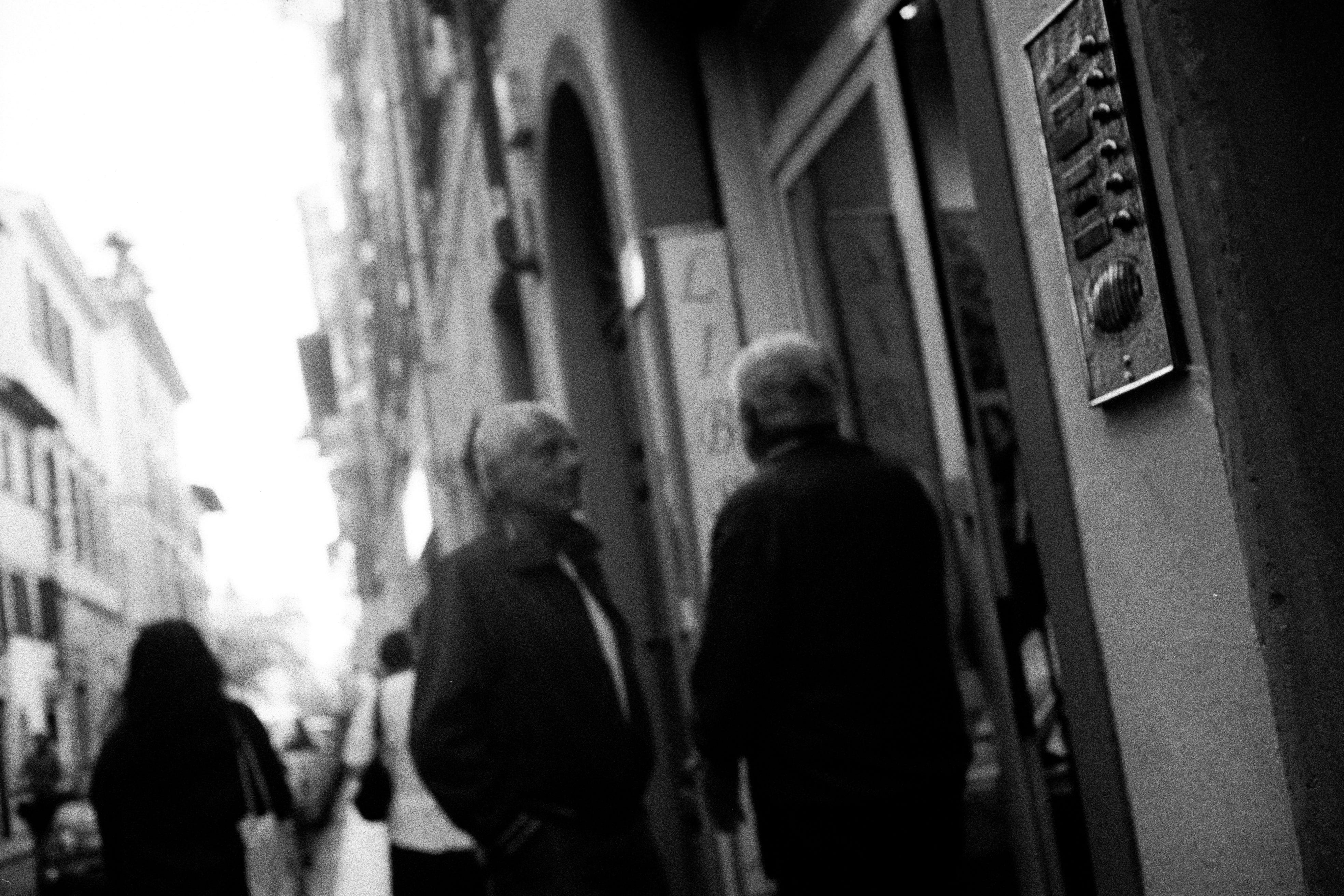
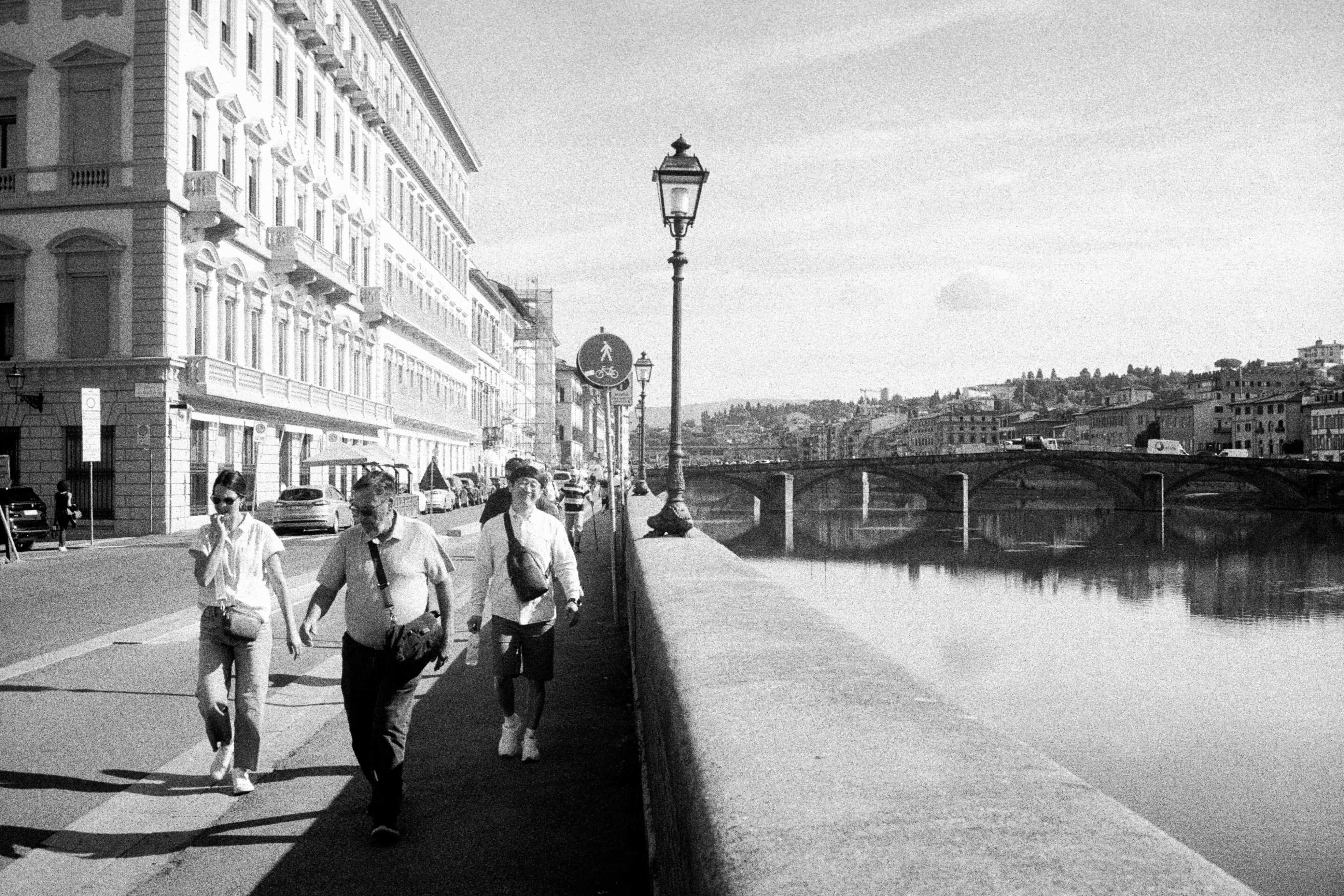
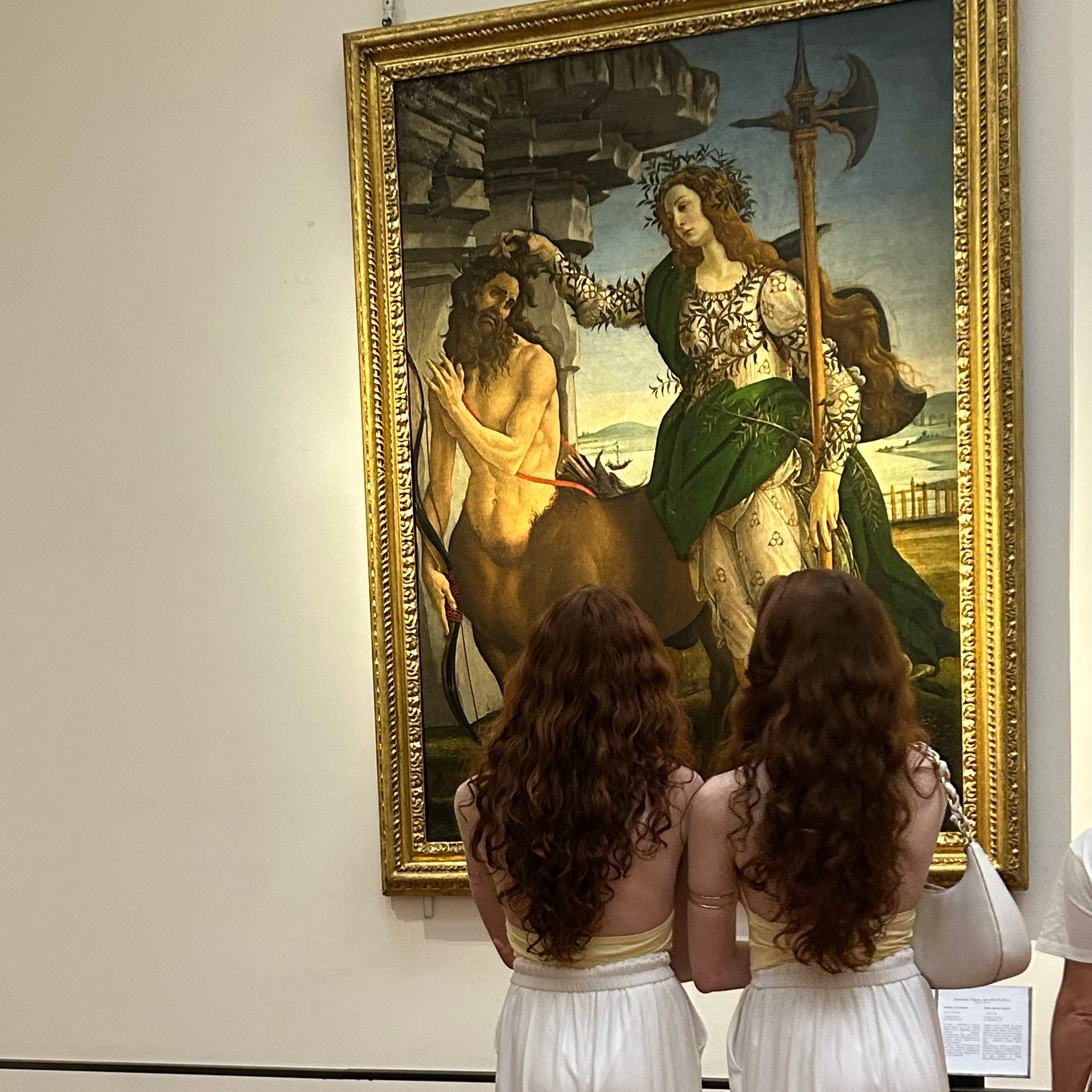
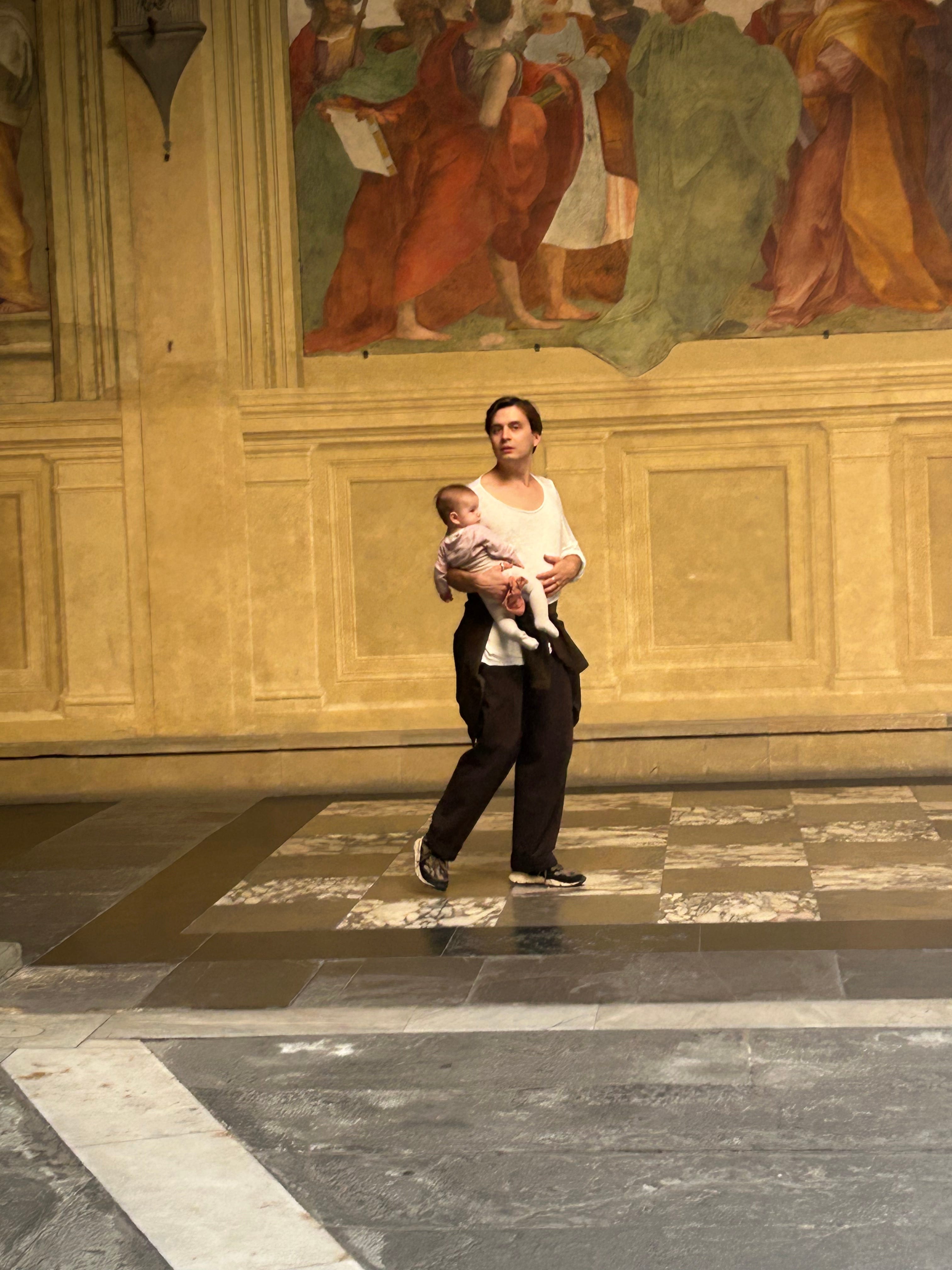
I returned here twenty years later and found Firenze tired — exhausted by endless waves of tourists. The city centre barely has a spot where local life still glimmers. It has all transformed into a strange theatre stage: a stage where an elegantly dressed audience has been invited to step up after a fashionable play, chatting lightly while glancing at the set, at the silent decorations.
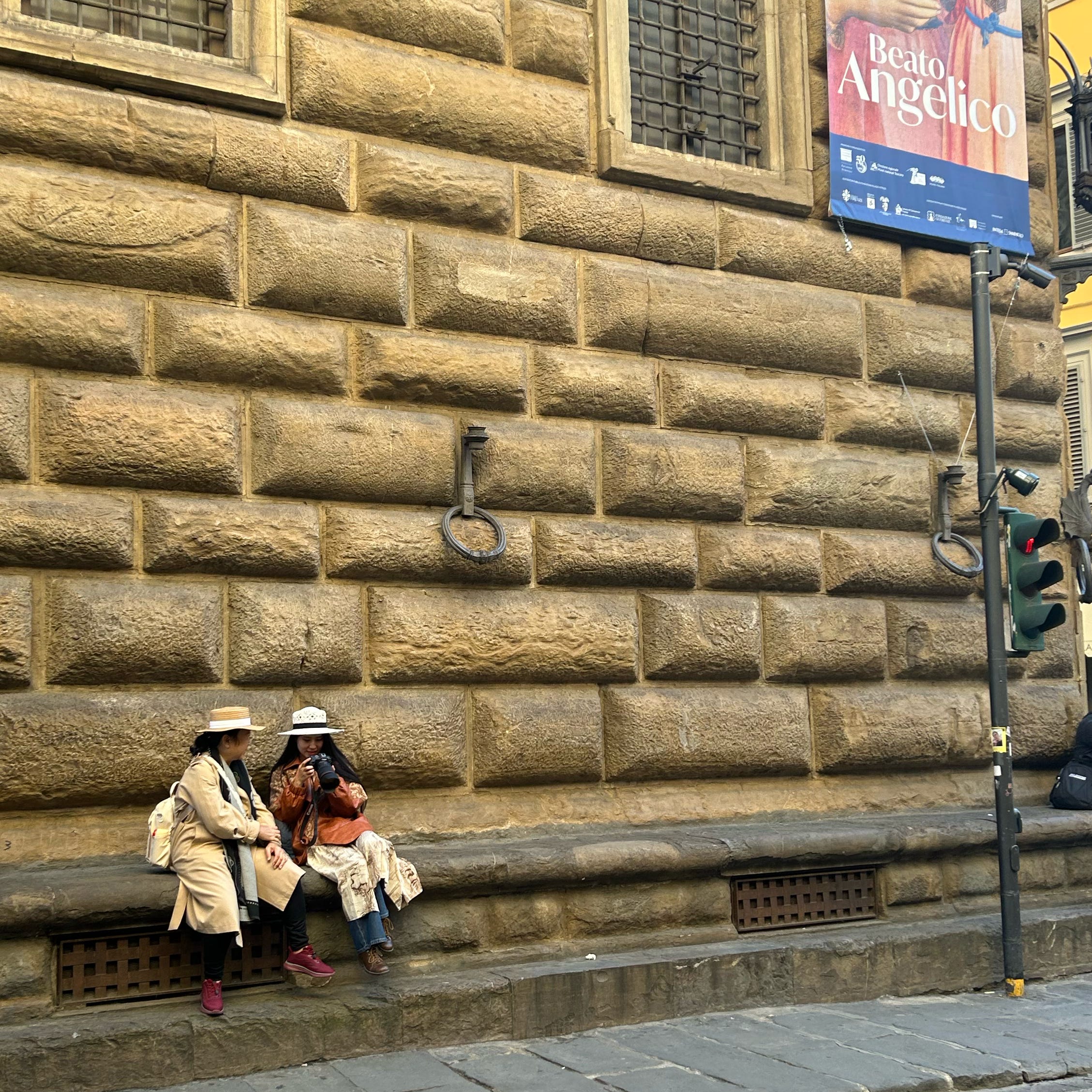
All of a sudden, everything looks a bit fake. The magnificent buildings and towers are deprived of their purpose and now serve as décor for people who don’t live here but come to act.
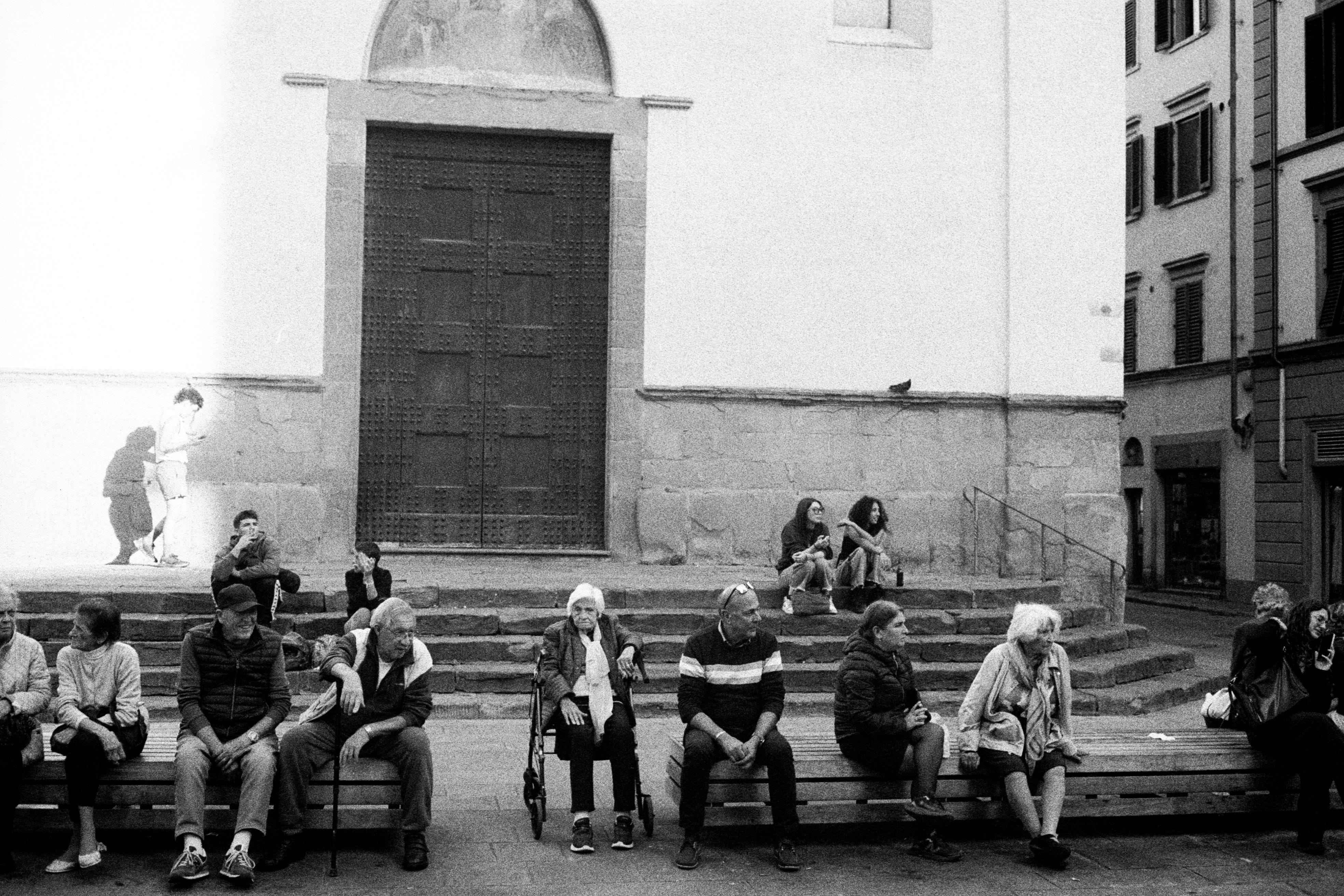
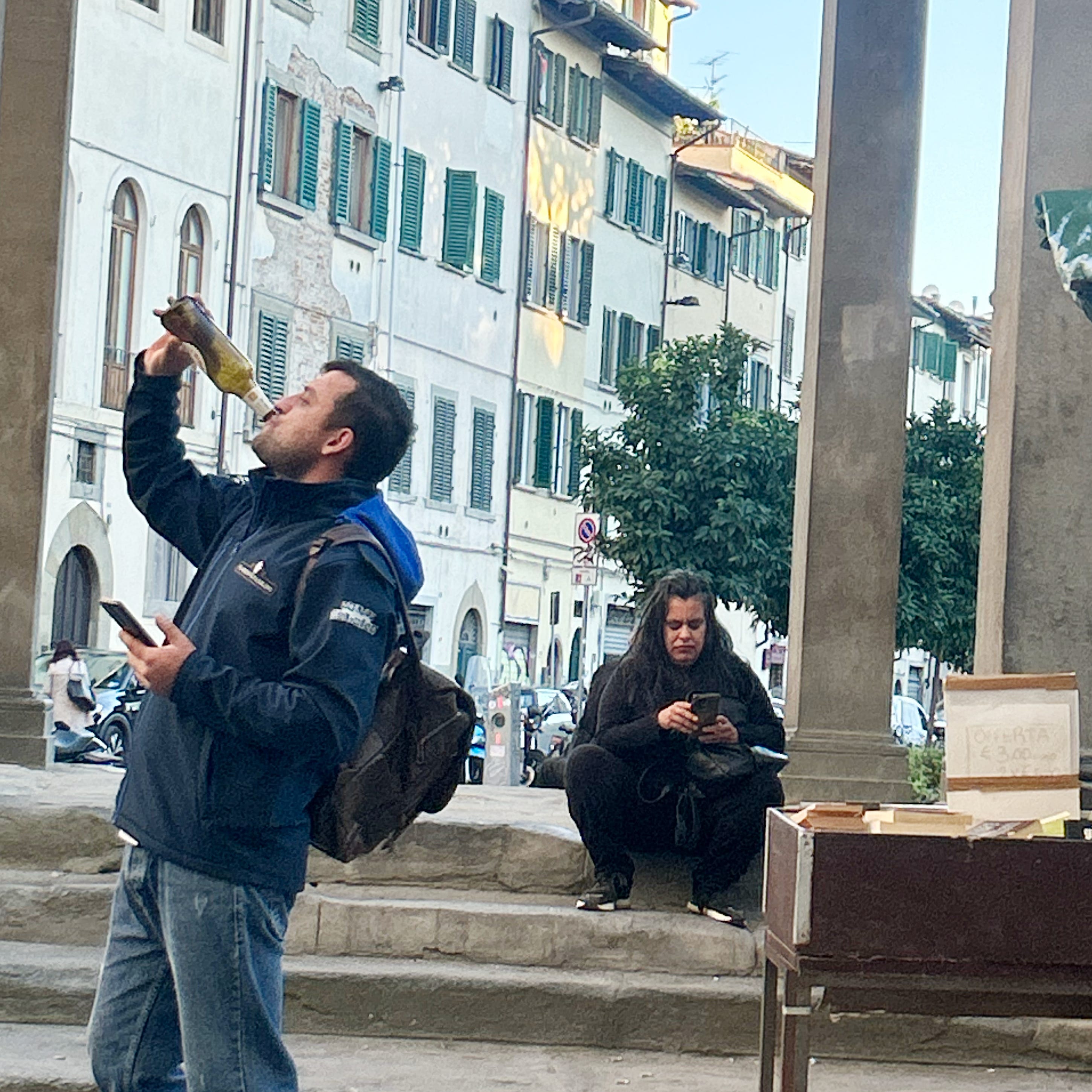
Yet outside the centre, there are still a few areas where the “shock of life”1 is very much present — where messiness and spontaneity are alive, where people live as they can. I realised that one of these places is the very neighbourhood where I used to live and study twenty years ago, near Santa Croce.
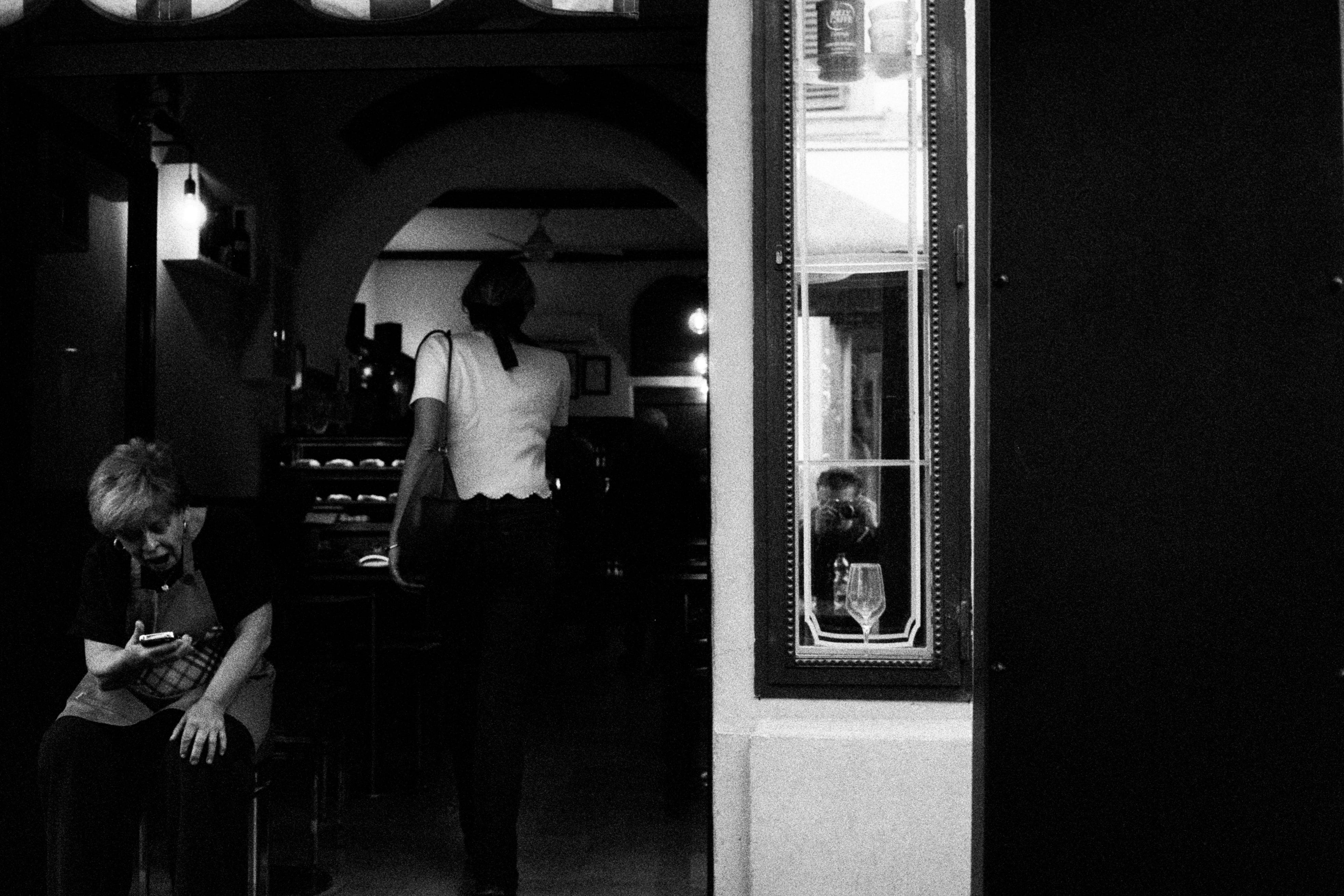
I often get sad and slightly toxic when I see places I love turning into theatrical stages for global gentrification. But my heart always softens and warms up when I meet locals who speak of their home with tenderness and love. The people I met here were gentle, caring, and said that Firenze is the best place in the world for them.
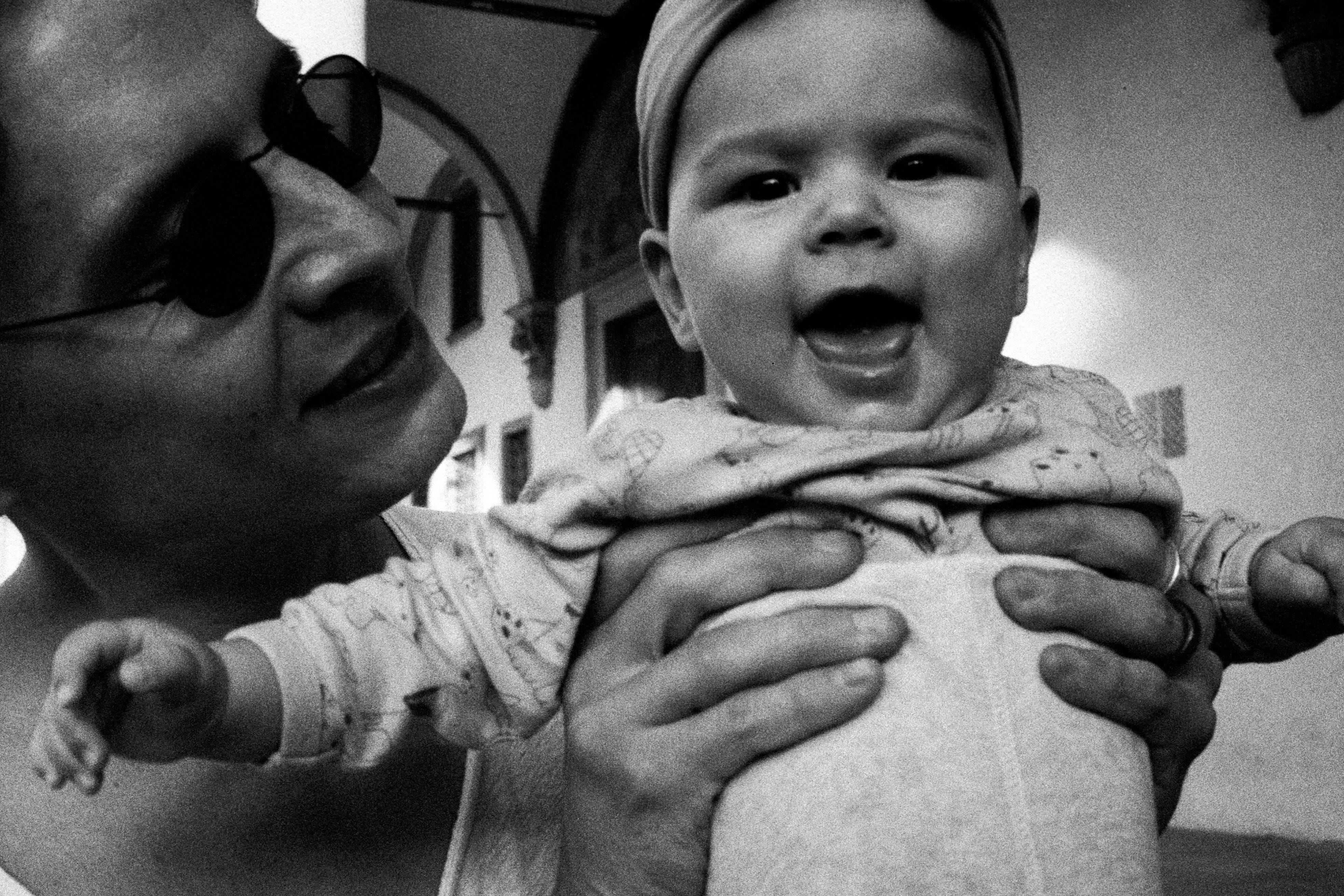
Firenze remains in my heart as the place where I once had a revelation — that the world is open before me and that anything is possible.
1
Check out an interesting read, Architecture and Empathy.